
A Life Reconstructed Through Witnesses
Maigret and the Dead GirlThis flow traces the gradual reconstruction of Louise’s history from scattered memories, rented rooms, and brief encounters.
increasing Bearing strength in each event
 decreasing
Bearing strength in each eventdecreasingA Photograph in the Papers
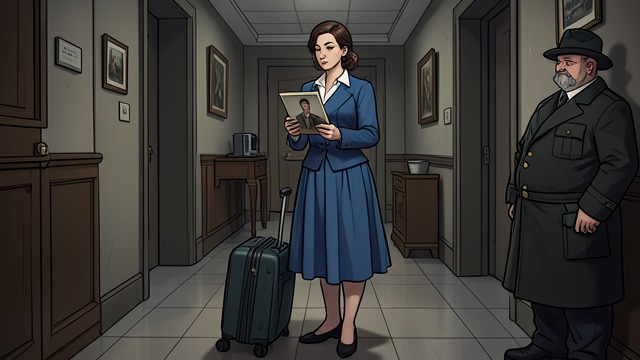
A Photograph in the Papers
Public Appeal
Jules Maigret has Louise’s photograph circulated in newspapers, hoping that someone will recognize the unknown victim. The first response does not arrive from family or friends, but from Rose, a young servant who had noticed Louise in her building.
A Partial Identification
Rose’s call identifies the Rue de Clichy address and Madame Crêmieux. The response confirms how little of Louise’s life was visible: people had seen her, but almost no one had learned her name or circumstances.
The Lodger’s Habits
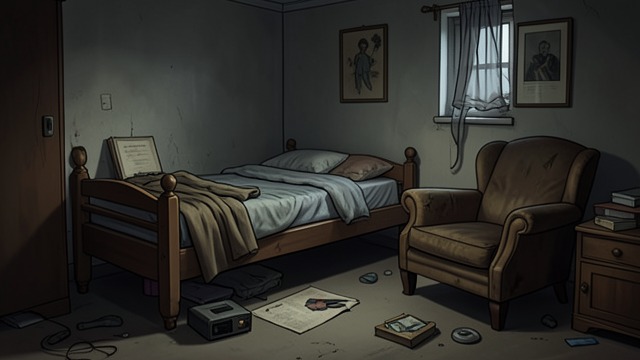
The Lodger’s Habits
A Spare Room
Madame Crêmieux describes Louise’s months in her flat: she left for long days, avoided conversation, and kept only a few clothes and small personal items. She had no apparent steady job and fell behind on rent.
A Life Without Witnesses
The landlady remembers a rare telephone call and a night Louise stayed away, but cannot explain where she went. These scraps reveal routine without revealing intimacy; the room contained traces of a person whom no one around her truly knew.
The Girl at the Garden
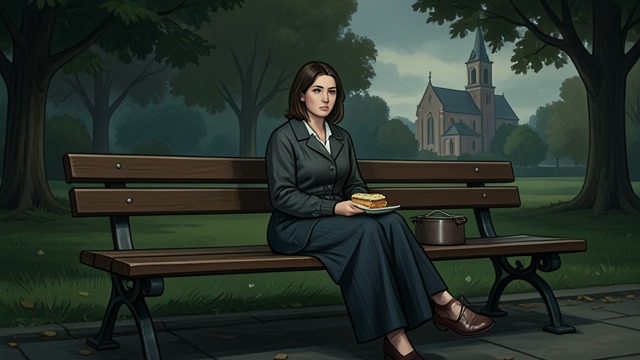
The Girl at the Garden
A Young Witness
Rose recalls seeing Louise alone on a bench in Trinité garden. Louise did not read or meet anyone; once she ate a sandwich, and she seemed to Rose like an unhappy film actress.
An Unanswered Image
The recollection adds a public place to Louise’s private loneliness. Her repeated presence near the church garden suggests that she had nowhere else to go, while Rose’s question about whether Louise knew she would die gives ordinary observation a painful afterlife.
The Friend’s Account
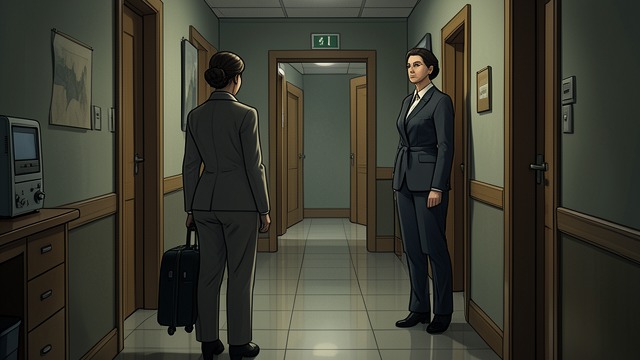
The Friend’s Account
An Unequal Pair
A concierge on Rue de Ponthieu remembers Louise sharing rooms with Jeanine Armenieu. Jeanine adapted quickly to Paris and pursued security through wealthy men, while Louise struggled to keep jobs and remained withdrawn.
Separation
Jeanine eventually moved away without leaving an address. Louise returned later asking for it, but the concierge could not help her. The account connects Louise’s isolation to a specific rupture, rather than treating her solitude as an unchanging trait.
The Girl from Nice
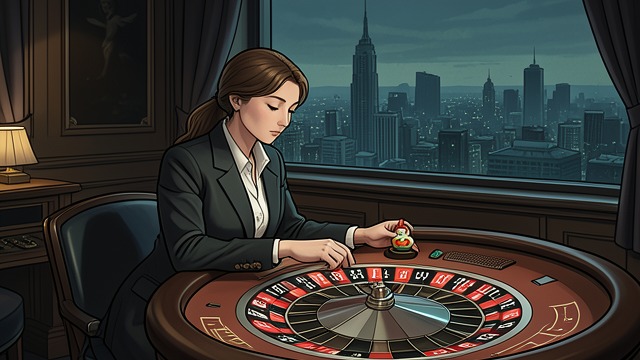
The Girl from Nice
A Past Recalled
A call to Nice brings news of Louise’s childhood with her mother, Germaine Laboine. They had lived there for years before Louise left home at sixteen, after a childhood shaped by poverty, instability, and her mother’s compulsive gambling.
The Unfinished Portrait
Other witnesses fill in the years in Paris: makeshift work, unreliable shelter, and repeated failures to fit in. By the time investigators reach the wedding reception, Louise is no longer merely a body but a life whose vulnerability can be understood.
The first morning after the body is found
The first day, after the Rue de Clichy call
During Louise’s months on Rue de Clichy
The second day, after inquiries reach Rue de Ponthieu
During the inquiry’s second day
